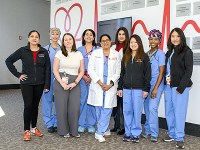
 Women In Cardiology
The Division of Cardiovascular Medicine at the University of Louisville values and embraces diverse perspectives and backgrounds in the clinical and academic environment fostering the next generation of women leaders in cardiology.
We are committed to creating an equitable work environment to support faculty, fellows, and staff with their personal and professional growth and development.

UofL Health - Cardiology
As an academic health system, our cardiologists, heart specialists and heart surgeons have advanced training in heart disease, conduct research and use a team approach to manage and treat your heart condition.
Plus, we are teaching and training the next generation of physicians. Our collective experience in treating thousands of people with heart disease ensures you receive the best care, close to home.
Our emergency department chest pain centers and 24/7 advanced heart attack care combined with fast access to sophisticated technology and innovative treatments at Jewish Hospital and Mary & Elizabeth Hospital save lives when minutes matter most
For more information, call 502-588-7010 | Schedule an appointment
Get to know Dr. Dinesh Kalra
Dr. Roberto Bolli leads studies using stem cells in the fight to cure heart disease