
Events
Commonwealth Center for the Humanities and Society (CCHS)
2025-26 Events
Upcoming

Bingham Faculty Fellows: A Decade of Impact
Since 2016 CCHS has supported faculty research through year-long Bingham Fellowships tied to annual themes designed to spark interdisciplinary dialogue and highlight humanistic inquiry across the College of Arts & Sciences. Join us in celebrating ten years of impactful scholarship and collaboration.
Past
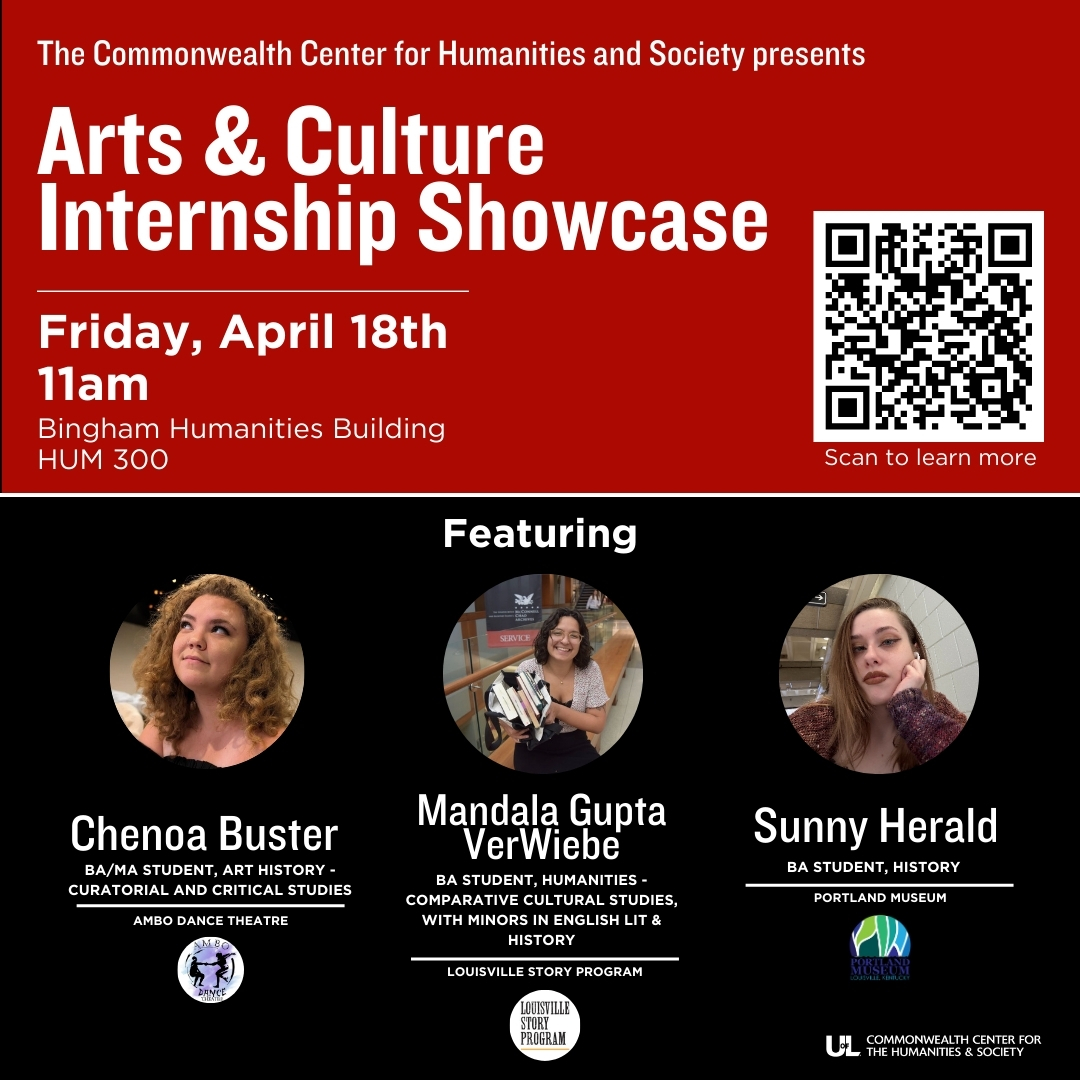
CCHS Arts & Culture Internship Showcase
You're invited to attend the CCHS Arts & Culture Internship Showcase and learn how this year's internships have made a meaningful impact on students' personal and professional growth. Discover the incredible projects and experiences that have shaped their journeys, thanks in part to the support of the Gheens Community Engagement Mini Grant. Don't miss this opportunity to see how the Arts & Culture internships are making a difference!
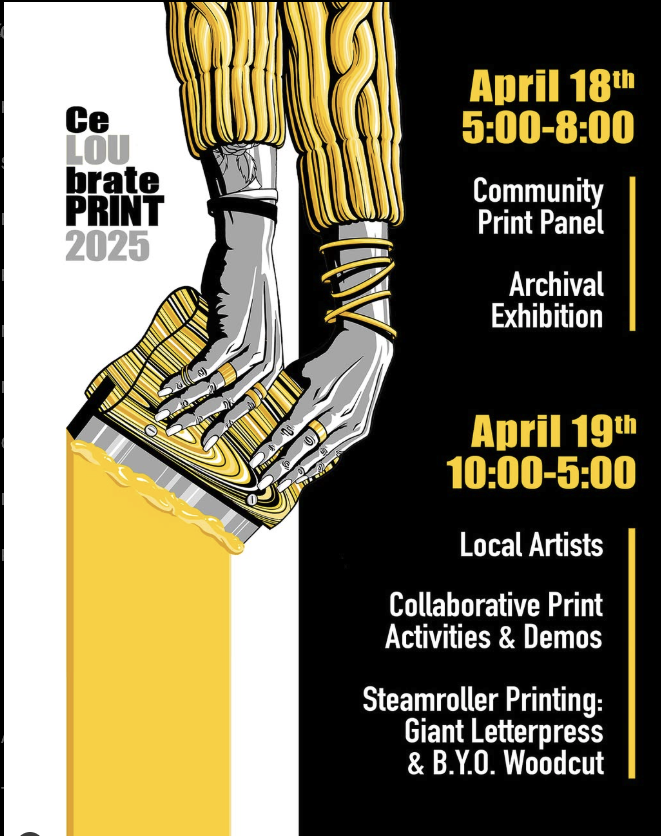
CeLOUbrate Print at Portland Museum
We're excited to announce that the Commonwealth Center for Humanities and Society (CCHS) will be participating in CeLOUbrate Print at the Portland Museum on April 19th, 2025! This event, created by Erica Lewis (EVPL), a UofL graduate student, celebrates the art of printmaking with local artists showcasing their work and offering hands-on demonstrations. It's a wonderful opportunity to support local artists and experience accessible print education in the Portland community.
Date: April 19, 2025
CCHS will be tabling at the event, featuring an exhibit that explores the intersection of academia and print, including works by Mark Mattes (Hotbrown Press) and other Bingham Faculty Fellows and Graduate Students from the University of Louisville.
We hope you'll join us for this exciting celebration of art and community!
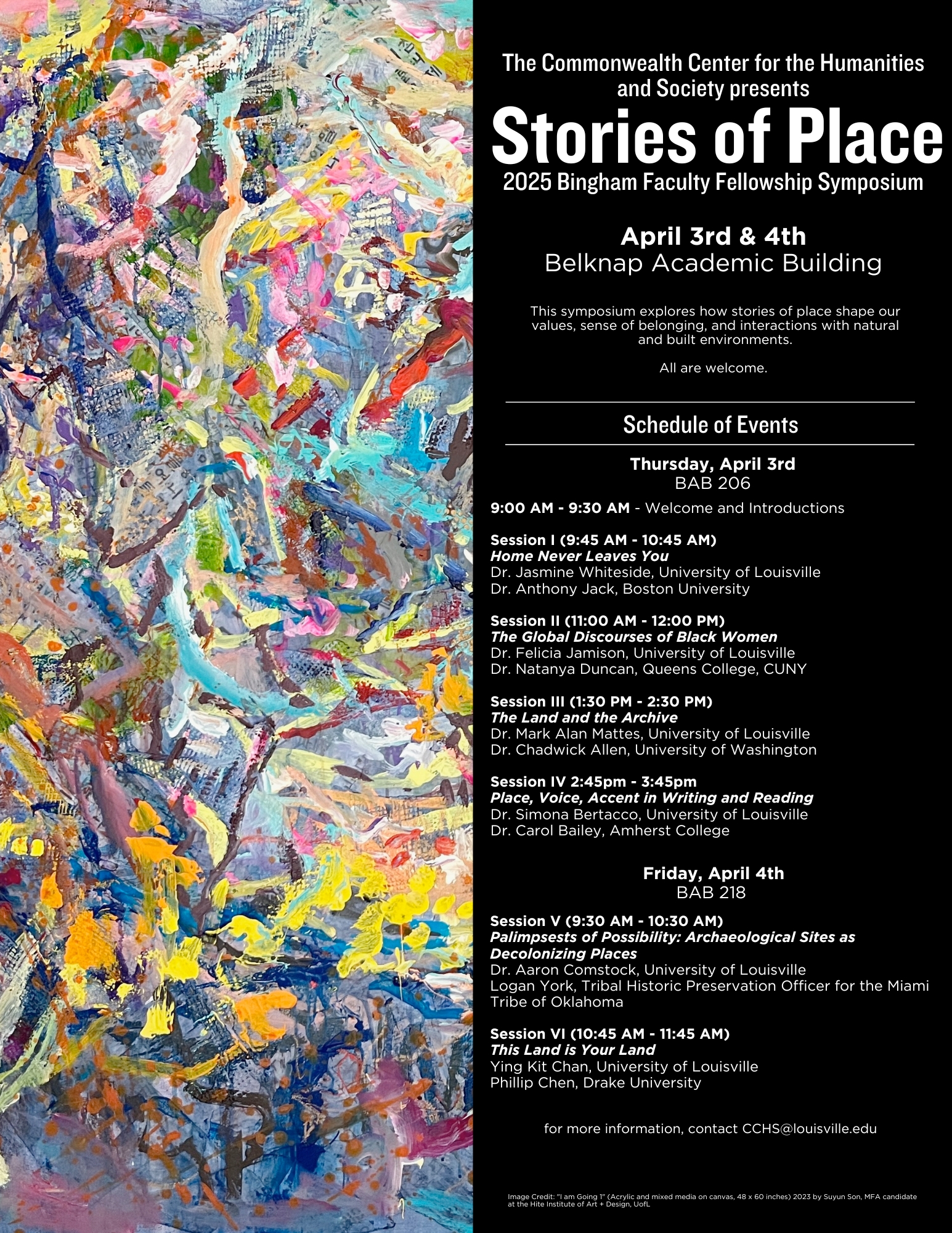
Stories of Place: 2025 Bingham Faculty Fellowship Symposium
We invite students, faculty, and community members to join us as we explore how places influence our world through this year's Bingham Faculty Fellows' research. This year's Bingham Faculty Fellows will showcase their research projects, presented alongside other scholars in their field. Don't miss this opportunity to dive deep into the stories that shape our values, sense of belonging, and the natural and built environments around us.
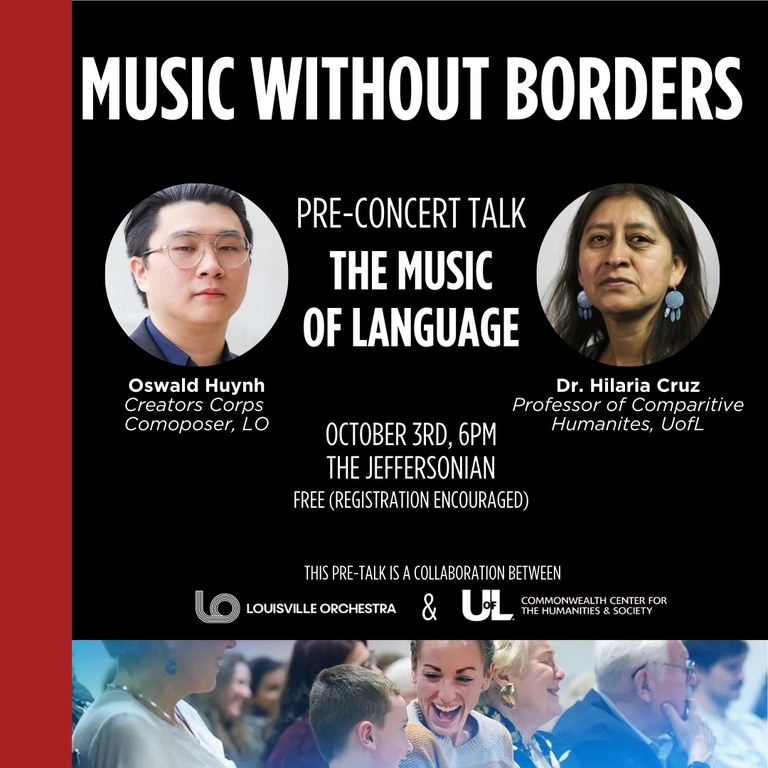
Music without Borders
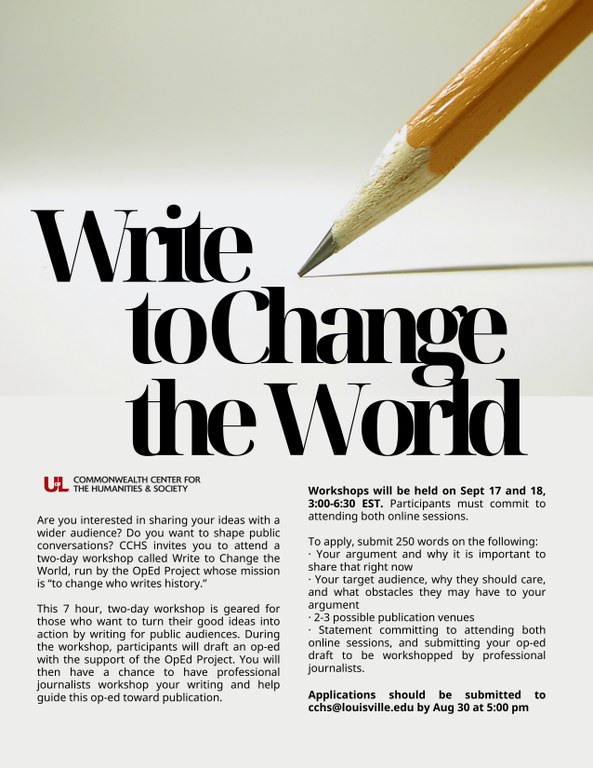
Write to Change the World

Towards a Trans Masculine Genealogy in Argentina & Transnational Bonds against the Anti-Gender Backlash
Exploring achievements, resistance, and activism from Argentina's #NiUnaMenos Movement to the global feminist and LGBTQ+ struggle for livable lives.
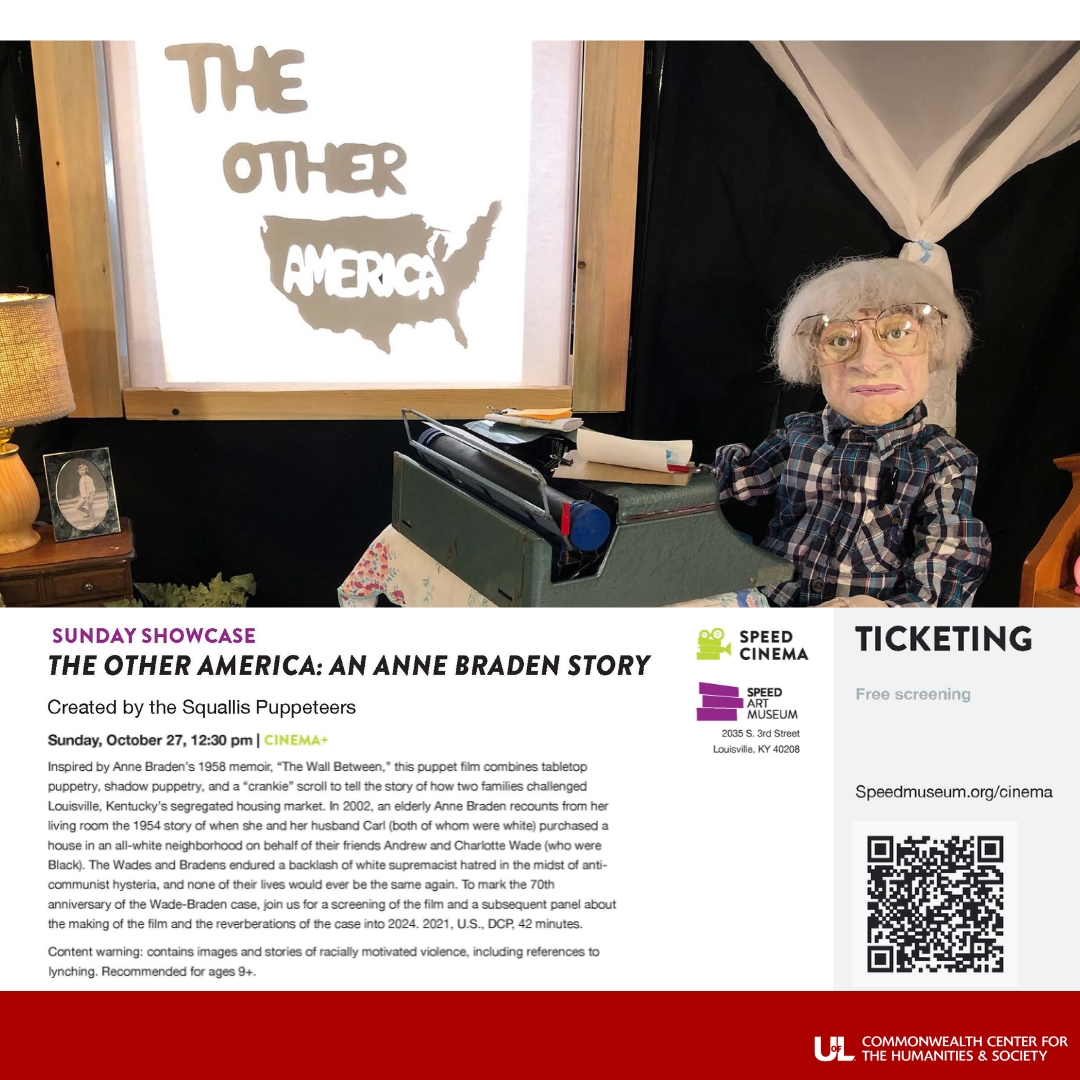
The Other America: An Anne Braden Story
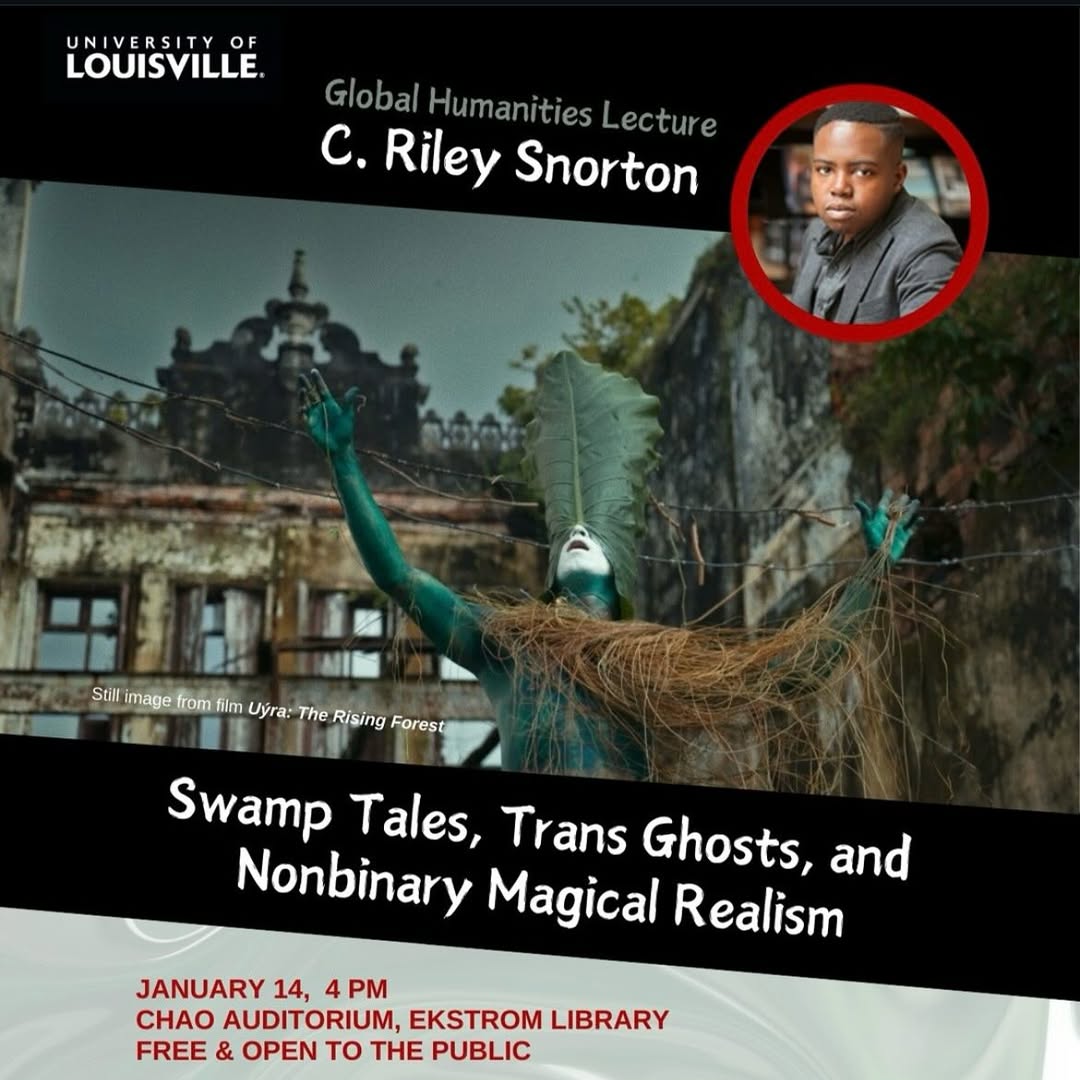
Swamp Tales, Trans Ghosts, and Nonbinary Magical Realism
CCHS Sponsored Events

Anti-Haitianism, Statelessness, and Religious Practice in the Bahamas
CCHS Co-Sponsored Events
To learn about other events at the University of Louisville, click here.