Pay Your Bill Online
It's fast, simple, and secure. All you need to get started is your School of Dentistry patient bill and a credit or debit card.
Click To Submit Payment
New Dentures, New Smile
We are now screening patients interested in a new set of dentures. Denture cost: $728. Call 852-5096 for more information.
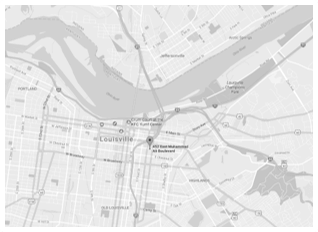
Contact Us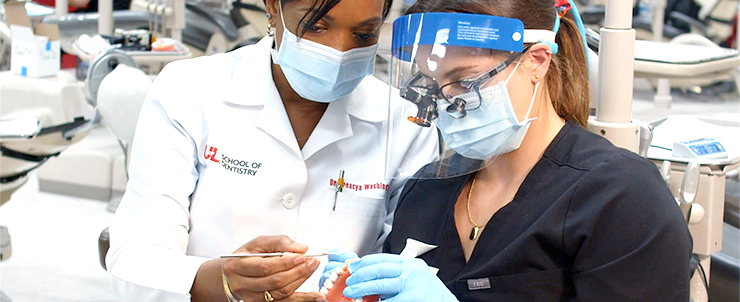
Careers at ULSD
We're hiring for clinical and administrative staff, faculty and more. Join the team and help provide a community of care for patients and students.
Find Out MoreNews
More News
- Mar 27, 2024 Central High School Dental Magnet Program continues to grow
- Feb 09, 2024 Four University of Louisville School of Dentistry researchers are among the top 2% most-cited researchers in the world
- Jan 31, 2024 Donor-supported upgrades transform dental care for children at the UofL School of Dentistry’s Home of the Innocents location
- Jan 19, 2024 American Academy of Periodontology posthumously honors Dr. Henry Greenwell as Periodontics Educator of the Year
- Oct 18, 2023 Summer Research Program engages dental students in the process of discovery
Blog
View More
Price Comparison

As your dental home, the School of Dentistry has practices to fit every budget and time frame.
Whether you are being seen by dental students, residents, or faculty dentists you will receive the same excellent care.
Click Here to view the Price Comparison Guide
Health News
View More
- Apr 22, 2024 Scientists can now better document health benefits of time spent in nature
- Apr 19, 2024 UofL’s beekeeping intern represents the past and future of Kentucky urban agriculture
- Apr 12, 2024 UofL scientists gain $11.6 million to learn how chemical exposures affect heart health
- Apr 04, 2024 UofL researchers win $1M to advance spinal cord injury technology
- Mar 25, 2024 Q&A: UofL researcher raising awareness of occupational cancer to firefighters
Our vision:
To be the benchmark for dental education, patient-centered care, and groundbreaking research.
Our mission:
We will improve the oral and overall health of those whom we serve; transforming lives by educating oral health care professionals to provide patient-centered treatment through innovative pedagogical approaches, community engagement, and research. Woven through these activities is a dedicated commitment to diversity, equity, and inclusion (DEI).